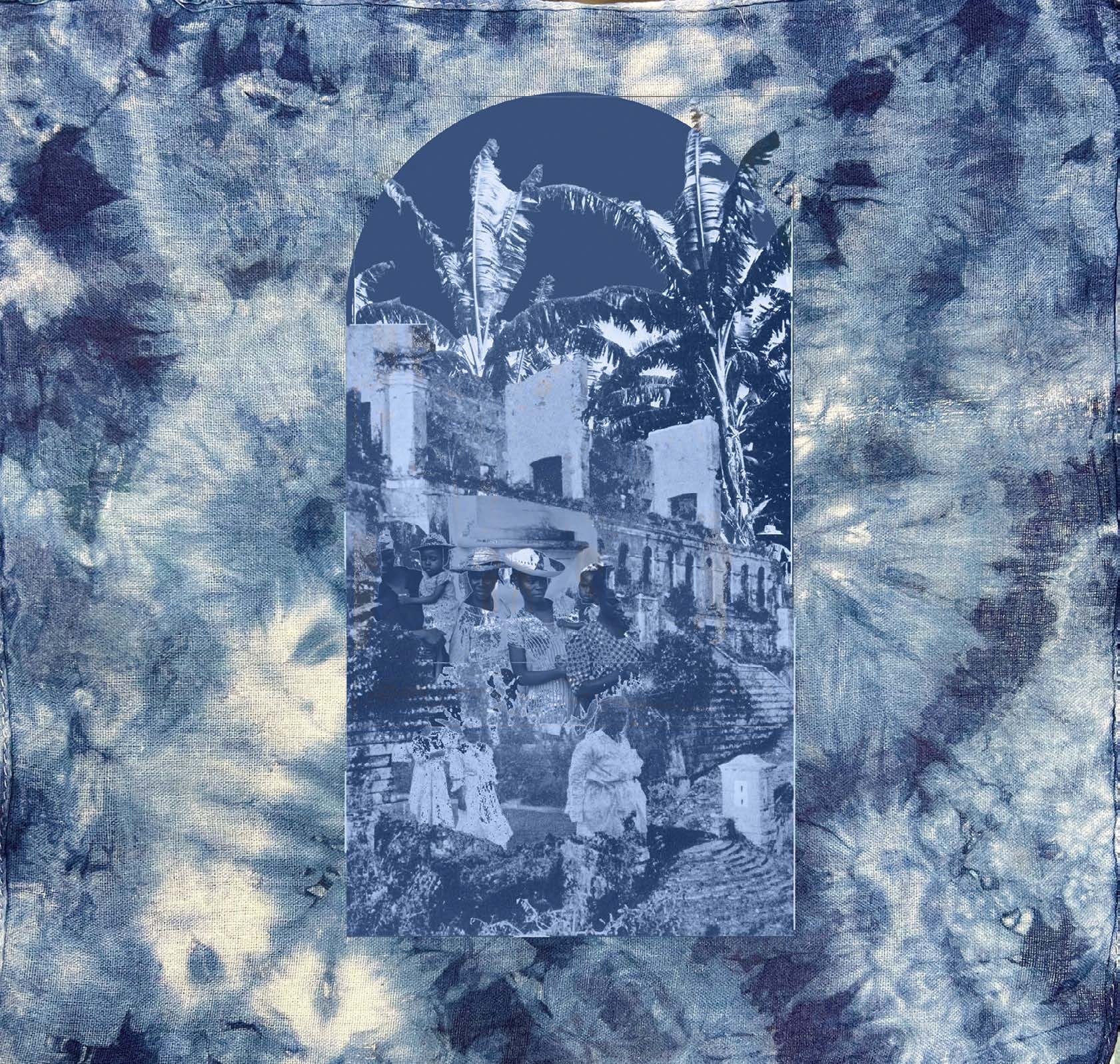
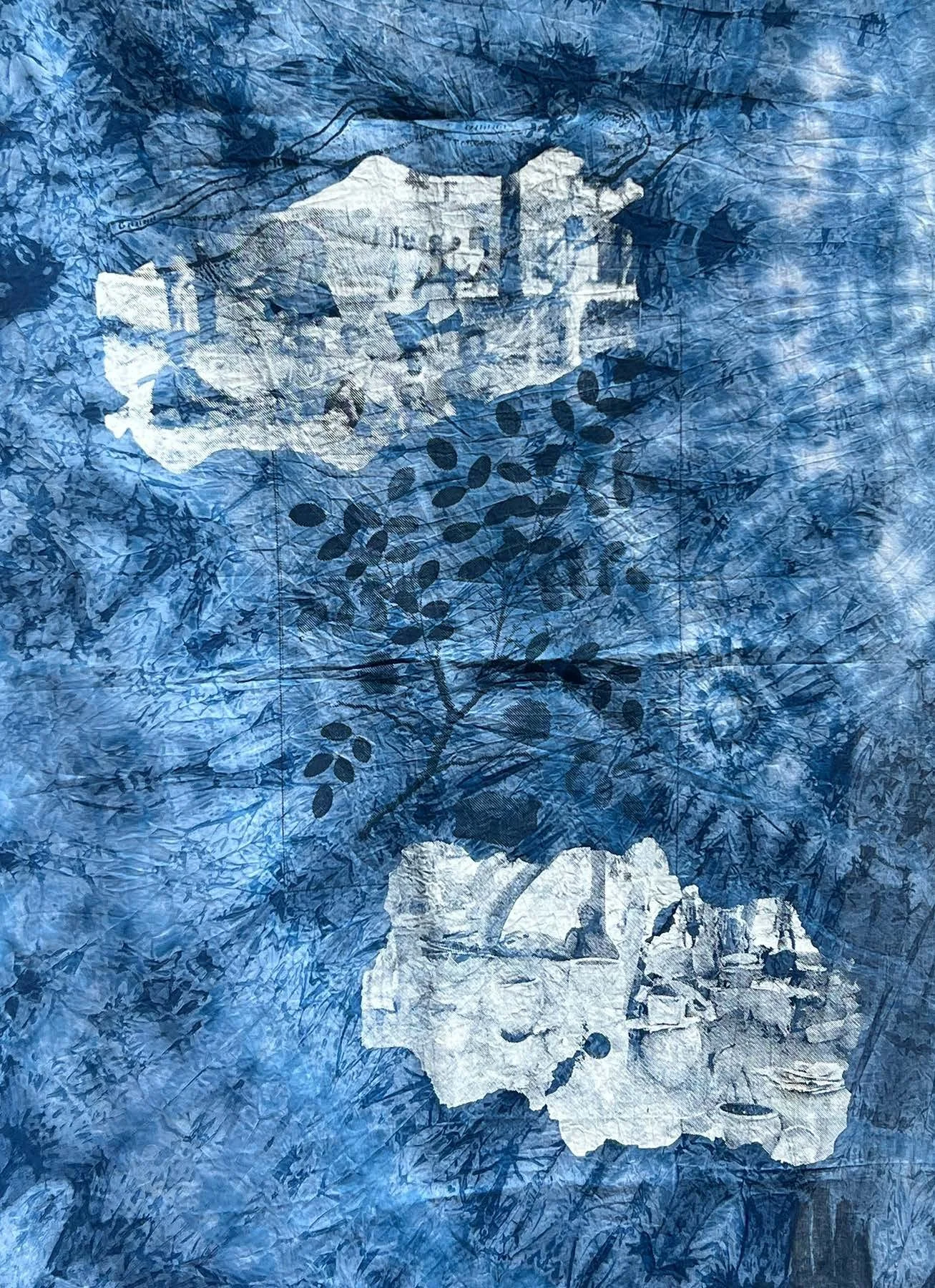
When We Get Together to Talk About God... explores Miami's ancestral spatiality through dialogue with spiritual leaders and community members rooted in Afro-diasporic traditions. Centered on neighborhoods like Opa-Locka, Little Haiti, Liberty City, and Miami Beach, the project gathers and archives art, writing, oral histories, and audiovisual recordings to better understand the city's spiritual landscape. All while calling back to our other homes: Haiti, Jamaica, Cuba, Antigua, Brazil, Ghana, Nicaragua, Bahamas, Honduras, Benin, Nigeria… WWGT invites community members to co-create and access the research, artifacts, and embodied knowledge that making and sharing activate.
~
WWGT is a project that seeks to find the true meaning of our spirituality in South Florida. As Queer folks, we find our own families. As people of color, we have often had to leave our spiritual knowledge behind or covertly practice our ancestral spiritualities.
What does it look like to connect to our spirituality in Our Spaces and in Our Art?
We will be excavating the spiritual characteristics of Our Spaces in South Florida, including Opa-Locka, Little Haiti, Liberty City, and Miami Beach. There are elements of spirituality everywhere. In Liberty City, one of the most underserved communities is named Oshun Village. What does it mean for us to have these Orishas watching over the well-being of our community?
What is a spiritual space in South Florida, the Caribbean, and throughout the Diaspora?
There needs to be better acknowledgment of the spiritual reality and deities all around us.
Often, our spirituality finds its way into our art and creations, harking back to the storytelling tapestry work, statues of veneration, and ritualistic beadwork of our ancestors.
What does it look like to connect with our spirituality in our art creation?
Whether that be indigo printmaking, lineage research, growing herbal remedies in the garden, or even embodying the movements of our ancestors in dance and hearing their music through the beating of the drums.
Through archival research, interviews with fellow practitioners, conversations with community spiritual leaders, discussions with local historians, and the gathering of spiritual creations by folks in South Florida, we seek to open channels of communication that allow us to hold and share ancestral wisdom and spiritual understanding, while growing in relationship with ourselves, our ancestors, and our communities. Of course, calling back to our other homes: Haiti, Jamaica, Cuba, Antigua, Brazil, Ghana, Nicaragua, Bahamas, Honduras, Benin, Nigeria…
We will encourage this exchange by creating resources for our community, past, present, and future; the South Florida elders and ancestors to come. With our newfound understanding, we will exalt these Orishas through performances tailored to their liking, including art, dance, song, and altar-building. We hope this project will inspire others to connect with their own ancestral practices, spiritualities, and one another.
“When two or more people get together to talk about God…That’s Church.”